Select
Define source, load, duty and installation boundaries. The result is a requirement set, not yet a promise of fit.

From selection to delivery
One transformer request may pass through an electrical engineer, panel designer, buyer, distributor and field installer. This support path preserves the reason behind the selection while commercial details develop, so an apparent substitute, revised quantity or schedule change can be checked against the original electrical and mechanical requirements.
“A cross reference is a comparison task, not a one-cell lookup.”
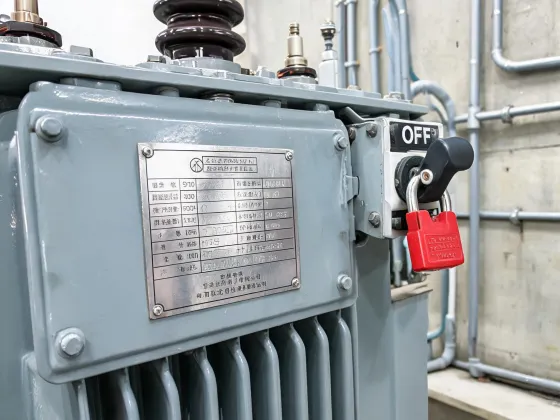
The starting package can be modest: a readable nameplate photo, source and load voltages, phase, frequency, connected load, known inrush, enclosure conditions, available mounting space, quantity and destination. From that evidence, the review separates confirmed values from estimates and identifies the document needed next.
A catalog family can then be screened for the required voltage ratio and kVA. Detailed review considers tap arrangement, insulation class, temperature rise, enclosure, dimensions, terminal orientation and applicable series-level standards. If impedance, harmonic loading or ambient data is absent, the limitation stays on the record.
Define source, load, duty and installation boundaries. The result is a requirement set, not yet a promise of fit.
Compare the existing and proposed units across electrical ratings and physical interfaces. Differences are listed for approval.
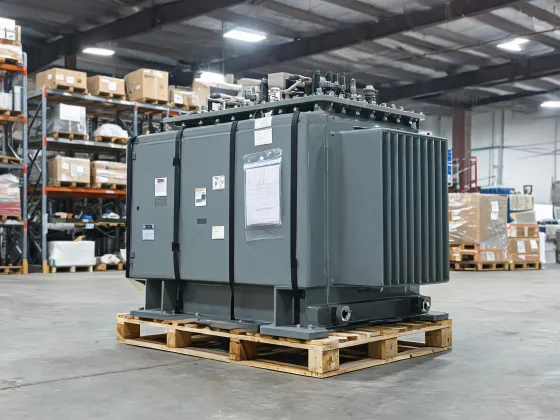
Attach quantity, destination, requested date and document status to the reviewed configuration.
Track confirmed milestones and flag schedule dependencies without presenting estimates as fixed dates.

Send the evidence you have and identify what must be decided: selection, substitution, documentation, price, availability or delivery coordination. Unknown values are acceptable when they are clearly labeled.